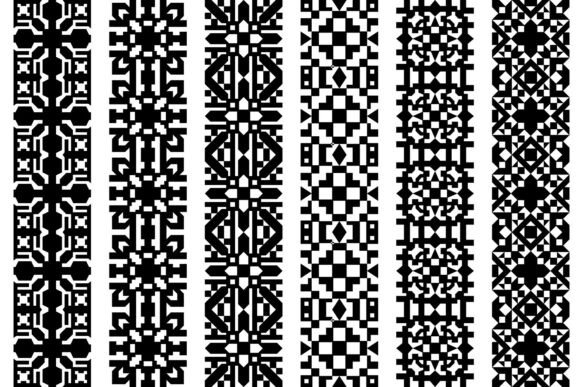
Geometric Repeating Intricate Lace Patterns: Design Tips, Common Pitfalls, and Better Choices
Geometric repeating intricate lace patterns have become a popular choice in design across industries—from fashion and interior décor to digital art and branding. These patterns combine the elegance of lace with the precision of geometric shapes like squares, triangles, and other flat forms, creating visually striking and versatile designs. Whether you're an entrepreneur looking for unique visuals, a designer crafting custom assets, or a hobbyist experimenting with new styles, understanding how to choose and use these patterns effectively can make all the difference.
Understanding Geometric Repeating Intricate Lace Patterns
At their core, geometric repeating intricate lace patterns are composed of repeated, symmetrical motifs that incorporate sharp lines and structured elements. Unlike traditional floral or organic lace designs, these patterns emphasize symmetry, rhythm, and mathematical balance. The repetition allows them to tile seamlessly, making them ideal for backgrounds, fabric prints, packaging, and more.
The beauty of these patterns lies in their adaptability. They work equally well in minimalist modern aesthetics as they do in bold, decorative settings. When applied correctly, they can elevate the look of your product or project, adding sophistication without overwhelming the viewer.
Why People Love Them
- Visual appeal: Their clean, structured nature appeals to contemporary tastes while maintaining the delicacy of lace.
- Design flexibility: Suitable for both print and digital media due to their scalable vector formats (SVG, AI, EPS).
- Professional-grade quality: High-resolution JPGs and PNGs with transparent backgrounds ensure crisp, clear results on any surface or screen.
- Time-saving: Pre-made geometric lace patterns reduce the need for custom illustration, speeding up production workflows.
Common Mistakes When Choosing and Using Geometric Repeating Intricate Lace Patterns
Despite their popularity, many users make avoidable errors when selecting or applying geometric repeating intricate lace patterns. Here are some common pitfalls and how to steer clear of them:
1. Ignoring File Format Needs
A frequent mistake is downloading a pattern in the wrong format for your intended use. For example, using a low-resolution JPG for a printed textile may result in blurry, unprofessional output. Similarly, not having a vector file (like SVG, AI, or EPS) for scalable projects can limit your creative freedom.
Better approach: Always check which formats you'll need before purchasing or downloading. If your project requires scaling—such as large banners, logos, or fabric repeats—opt for vector-based files like SVG or AI. For high-quality print jobs, ensure the JPG or PNG files are at least 300 ppi resolution with transparent backgrounds where needed.2. Overlooking Seamless Tiling
Not all geometric lace patterns are designed to tile seamlessly. A non-seamless pattern can lead to visible breaks or misalignment when used as a background or wrap-around design. This issue is especially noticeable in digital illustrations or website headers.
Example: Imagine designing a wedding invitation with a lace border made from a non-seamless pattern. When printed, the mismatched edges will distract from the overall elegance and professionalism of the piece. Solution: Look for patterns labeled as "seamless" or test the tiling yourself by placing two copies side by side. A true seamless pattern should blend perfectly without gaps or overlaps.3. Mismatching Style with Project Purpose
Another oversight is pairing overly complex geometric lace patterns with minimalist or simple layouts. While intricate designs are beautiful, they can clash with the rest of your content if not balanced properly.
Tip: Use intricate geometric lace patterns as accents rather than dominant features. For instance, a subtle lace border around a product image or a soft overlay on a brochure can add texture without overshadowing key information.4. Skipping Color and Contrast Checks
Many users assume geometric lace patterns come only in white or light tones. In reality, these patterns can be recolored to fit various palettes. However, failing to consider contrast between the lace and the background can render the pattern invisible or ineffective.
Pro advice: Always preview the pattern against your intended background color. Dark laces over black substrates might vanish completely, while bright colors may clash with brand guidelines. Most high-quality resources allow you to download the pattern in multiple colors or provide editable vector files so you can adjust hues easily.What to Check Before Making a Decision
To ensure your geometric repeating intricate lace patterns deliver the best results, keep the following checklist in mind before finalizing your selection:
- Resolution and clarity: Confirm that JPGs and PNGs are at least 300 ppi and suitable for your project's size.
- Seamless tiling: Verify that the pattern tiles smoothly without visible seams or distortions.
- License and usage rights: Make sure the pattern is appropriate for commercial use if your project involves selling products or services.
- File types offered: Choose providers that offer SVG, AI, and EPS versions for maximum versatility.
- Pattern density and complexity: Match the intricacy of the lace to your design’s needs—some tasks call for fine details, others require simplicity.
Real-World Applications and Examples
Let’s explore a few practical scenarios where geometric repeating intricate lace patterns shine—and where mistakes could undermine their impact:
Scenario 1: Fashion Design
If you're using these patterns for clothing or accessories, ensure the repeat aligns with the garment layout. A poorly aligned pattern can make a dress appear off-kilter or a handbag look cluttered. Always test the pattern on a mock-up before finalizing production.
Scenario 2: Web Design
Web developers often use geometric lace patterns as overlays or section dividers. But using a high-opacity version can slow down page load times. Instead, opt for semi-transparent PNGs or optimize the SVG code to maintain performance while preserving visual interest.
Scenario 3: Branding Materials
Brands aiming for a sophisticated yet modern look might incorporate these patterns into packaging or stationery. However, if the pattern becomes too busy, it can dilute the brand message. Start with one small area—like the corner of a business card—and expand from there based on feedback.
Choosing the Right Resource for Your Needs
With so many sources available online, it's easy to get overwhelmed. Some platforms offer six JPG, PNG, SVG, AI, and EPS files per pattern, giving you options for different uses. Others may only provide one or two formats, limiting your ability to scale or modify the design.
Corrective tip: Prioritize platforms that clearly list all included file types and resolutions. For professional designers, having access to vector files (AI/EPS/SVG) is essential because they enable editing, resizing, and integration into layered design software like Adobe Illustrator or Photoshop.
Cost vs. Quality Considerations
Low-cost or free geometric lace patterns often come with hidden trade-offs. These may include poor resolution, lack of transparency, or restricted licensing. Investing in higher-quality sets ensures better outcomes and avoids legal issues later on.
For instance, a set offering six high-resolution JPGs (300 ppi), six transparent PNGs (300 ppi), and six vector files (SVG, AI, EPS) gives you unmatched flexibility. You can use one version for web, another for print, and still have editable files for future customization.
How to Enhance Your Workflow with Geometric Lace Patterns
Once you've selected the right pattern, integrating it into your workflow efficiently is key. Here’s how to maximize its value:
- Use layers: Keep the lace pattern on a separate layer in design software to adjust opacity, blending modes, or apply effects later.
- Experiment with color: Convert the pattern to grayscale or tint it subtly to match your brand palette.
- Combine with textures: Overlay the lace with paper textures, gradients, or metallic finishes to create depth and dimension.
- Repurpose creatively: Use the same pattern for borders, buttons, icons, and even as a watermark.
By treating these patterns as modular assets, you can reuse them across multiple projects, saving time and money while maintaining a cohesive aesthetic.
Final Thoughts on Avoiding Missteps
Geometric repeating intricate lace patterns are powerful tools when used wisely. They bring structure, elegance, and visual harmony to your designs—but only if you understand their limitations and requirements. Taking the time to evaluate format compatibility, tiling behavior, and design context will help you avoid costly or frustrating errors.
Whether you’re a beginner learning the ropes or a seasoned pro refining your toolkit, remember that the right lace pattern isn’t just about looks—it's about usability, efficiency, and long-term satisfaction. With careful planning and smart choices, you can transform your next project with the perfect blend of geometry and grace.