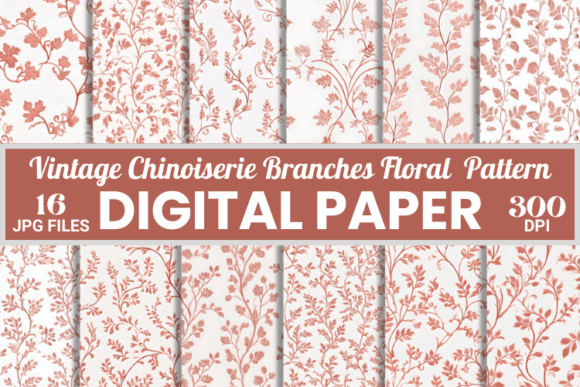
Vintage Chinoiserie Tiny Floral Pattern: A Versatile Design Element for Modern Creatives
Designers, entrepreneurs, and DIY enthusiasts are always on the lookout for unique visual elements that can elevate their projects. One such timeless motif is the Vintage Chinoiserie Tiny Floral Pattern. This intricate yet delicate design style originates from 18th-century European interpretations of Chinese art, characterized by small-scale floral motifs, scrolling foliage, and ornate detailing. In today’s digital age, this aesthetic has been reimagined as a high-quality digital paper suitable for a wide range of creative applications.
Understanding the Vintage Chinoiserie Style
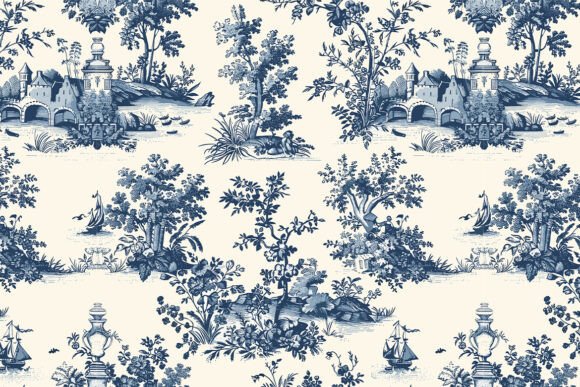
The term “Chinoiserie” refers to a decorative art style that became popular in Europe during the 1700s, inspired by Chinese porcelain and exoticism. The tiny floral variant of this style brings a sense of elegance and whimsy without overwhelming the eye. These patterns often feature pastel hues, which make them especially versatile for both modern and traditional design projects.
In the context of digital products like printable wrapping papers or fabric textures, the Vintage Chinoiserie Tiny Floral Pattern offers a nostalgic charm while maintaining compatibility with contemporary tools and workflows. It's ideal for those who want to infuse warmth and sophistication into their creations without sacrificing clarity or usability.
Where Does the Pattern Fit Into a Broader Creative Process?
Integrating the Vintage Chinoiserie Tiny Floral Pattern into your workflow depends largely on your project goals. Here are some common use cases where it plays a key role:
- Event Planning: From birthday party invitations to wedding backdrops, the pattern adds a touch of vintage flair.
- Graphic Design: As a background or texture layer, it enhances the visual appeal of greeting cards, planners, and scrapbook decorations.
- Product Customization: Whether you're printing on tumblers, mugs, or bags, the seamless nature of the pattern ensures a professional finish across curved or flat surfaces.
- Digital Media: Its high resolution (3600 x 3600 pixels at 300 DPI) makes it suitable for HD wallpapers, social media graphics, and more.
This pattern isn't just an isolated asset; it complements other design elements such as typography, photography, and color schemes. When used thoughtfully, it can unify a project's visual identity and enhance its overall quality.
Preparation for Use
Before incorporating the Vintage Chinoiserie Tiny Floral Pattern into your work, consider the following preparation steps to ensure optimal results:
- Assess Project Requirements: Determine whether you need the pattern for print or digital purposes. For instance, if designing a tumbler wrap, confirm the recommended dimensions for custom mug printing—typically 11, 15, or 20 oz sizes require specific layout templates.
- Check Color Accuracy: Since actual colors may vary slightly due to monitor settings and print quality, test prints or previews using your intended printer or platform are advisable before finalizing any large production run.
- Organize Your Files: With 16 digital papers included in one zip file, categorize and label each pattern clearly to streamline access during the design process.
Implementation Across Different Platforms
Whether you're using Adobe Photoshop, Canva, or even Microsoft Word, the Vintage Chinoiserie Tiny Floral Pattern in JPG format is compatible with most design software. Its seamless background allows for easy repetition, ensuring there are no visible seams when tiled across a surface.
For sublimation printing or vinyl decal creation, the high detail and resolution of these files are essential. They allow for crisp lines and vibrant colors even after multiple layers of processing. Similarly, iron-on transfers benefit from the clarity of the pattern, making it easier to apply to garments or accessories without distortion.
When working with tumblers or mugs, aligning the pattern correctly is crucial. Most platforms provide template guidelines for Oz sizes. By following these, you can ensure the design wraps smoothly around the object, avoiding misalignment or stretching.
Workflow Integration Tips
Here are some practical tips for integrating the Vintage Chinoiserie Tiny Floral Pattern into your existing workflows:
- Layer Smartly: Use the pattern as a base layer beneath text or images to add depth without overshadowing the main content.
- Adjust Opacity: To maintain legibility, especially in text-heavy designs, reduce the pattern's opacity so it serves as a subtle accent rather than a distraction.
- Combine with Other Elements: Pair the floral pattern with complementary textures like watercolor washes or geometric shapes to create a balanced composition.
- Use Consistently: If applying the pattern across multiple items (e.g., invitations, thank-you cards, and gift tags), maintain consistency in scale and color to build a cohesive brand or event theme.
For educators and bloggers, the pattern can serve as a backdrop for printed worksheets or blog headers, adding visual interest while keeping the focus on the content. Marketers might find it useful for packaging designs or promotional materials that aim to evoke a sense of tradition and class.
Long-Term Use and Organization
To maximize the value of your Vintage Chinoiserie Tiny Floral Pattern bundle, organize the files logically. Create folders based on occasion, color palette, or usage type (e.g., “Wedding”, “DIY Crafts”, “Printable Wrapping”). This not only saves time but also helps maintain a structured archive for future projects.
Additionally, keep track of how each pattern was used—whether for a client project, personal craft, or product prototype. This documentation can be invaluable for replicating successful outcomes or adapting the pattern for new contexts.
Quality Control and Compatibility
Given the importance of visual fidelity in design, it's crucial to verify how the pattern performs on different outputs. Test the design on various printers or online customization services to see how the pastel tones translate in real-world applications. Also, ensure the pattern is scalable—many digital platforms support resizing, but maintaining proportions is key to preserving the intricate details.
Compatibility should also be considered when sharing the design with clients or collaborators. Since the files are in JPG format, they are widely supported and easy to share via email or cloud storage. Always confirm the file size and resolution meet the requirements of the target platform or device.
Real-World Applications and Outcomes
Let’s look at a few examples of how the Vintage Chinoiserie Tiny Floral Pattern can be effectively implemented:
- Birthday Party Branding: Use the pattern for tablecloths, gift tags, and photo backdrops to create a unified, elegant theme.
- Custom Tumbler Wraps: Apply the pattern as a repeating background to personalize tumblers for a business giveaway or a bridal shower.
- Scrapbooking: Incorporate the pattern into page layouts or as a border element to give a handmade feel to digital scrapbooks.
- Fabric Printing: Print the pattern onto fabric for home décor, tote bags, or apparel items with a soft, vintage-inspired texture.
Each application requires a slightly different approach. For example, fabric printing may involve adjusting contrast levels to suit the material, while digital backgrounds might need to be layered with transparent elements. Understanding these nuances ensures that the pattern enhances rather than hinders the final product.
Efficiency and Usability in Creative Workflows
One of the standout features of the Vintage Chinoiserie Tiny Floral Pattern is its usability in fast-paced environments. Because it's a repeatable set, designers can quickly generate new variations by shifting the alignment or combining it with other patterns. This adaptability is particularly beneficial for freelancers or small businesses needing to produce multiple versions of a design efficiently.
Moreover, since all items in the bundle are digital products, there's no need for physical inventory management. You can store the files securely on your computer or in the cloud and reuse them across projects without additional costs or effort.
Final Thoughts on Workflow Adaptation
Adopting the Vintage Chinoiserie Tiny Floral Pattern into your creative toolkit is a strategic move. It bridges the gap between historical aesthetics and modern design needs, offering flexibility in both form and function. By understanding its characteristics and preparing accordingly, professionals and hobbyists alike can leverage this pattern to enhance their output in a variety of fields—from event planning to product customization.
With proper organization and thoughtful implementation, this pattern becomes more than just a background—it transforms into a foundational component of a well-crafted design process.